Engineering Prerequisites for Commercial Solar Roofs
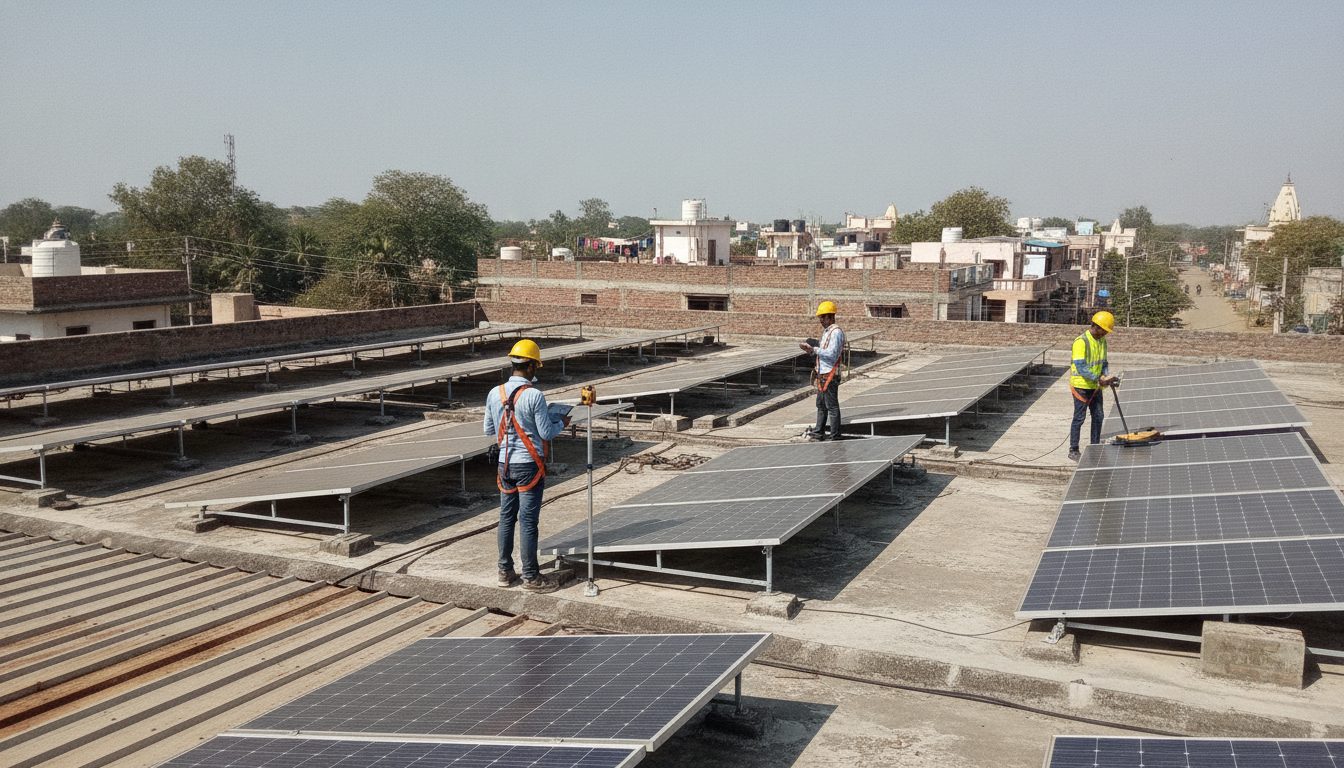
An industrial rooftop solar structural load audit is a mandatory engineering assessment that determines whether a commercial building can safely bear the weight and physical stress of a heavy solar array. Before any hardware is installed, structural engineers evaluate the existing roof type. Common commercial structures in India include tin sheds, RCC flat roofs, and pre-engineered buildings (PEBs). Each roof type reacts differently to added weights, requiring distinct mounting strategies to prevent structural sagging or failure over time.
Property owners planning large commercial installations often start by verifying their available space using a solar roof area calculator to understand how physical panel layouts align with initial architectural capacities. Engineers must inspect structural purlins, trusses, and slab integrity before any ballast or mechanical anchors are bolted down.
To check the numbers for your own home, try the solar calculator — enter your electricity bill and get system size, subsidy and payback in seconds.
Evaluating Dead Load, Live Load, and Wind Uplift
Every rooftop installation introduces multiple physical forces that must remain well within the designed load-bearing capacity of the building. The permanent weight of the solar panels, mounting structures, and inverters forms the dead load. Maintenance workers and cleaning equipment create the transient live load. In cyclone-prone coastal zones and high-wind regions across India, wind uplift represents a major hazard. High-velocity winds create negative pressure underneath and over the array, pulling upward on the modules and potentially ripping mounts straight off thin sheets if the anchoring is inadequate.
Engineers calculate these combined factors using local meteorological data and building height parameters. Proper ballasting or mechanical fastening distributes these dynamic forces evenly across the primary structural members rather than concentrating stress on weak points.
Legal Liability and EPC Contractor Obligations
Conducting a certified structural audit is not just a technical precaution. It is a strict legal requirement that defines the liability of EPC contractors. If a commercial array collapses due to unverified load limits or improper wind-uplift calculations, the installing contractor and the facility owner face severe legal and financial liabilities. Reputable EPC firms ensure that qualified structural engineers sign off on formal load calculations prior to procurement.
Skipping this step to cut initial project timelines creates extreme safety risks during monsoon storms and cyclones. Commercial operators must demand documented audit reports and compliance certificates from their contractors to protect their capital assets and personnel.
🌟 Ready to Go Solar? Get 3 Free Quotes
Connect with verified, MNRE-empanelled solar installers near you — free, no obligation.
Get Free Solar Quotes →