Planning and Sizing Your System Correctly
Knowing the common solar installation mistakes to avoid helps protect your financial investment and ensures steady electricity generation. A 1kW rooftop solar system generates roughly 90 to 120 units per month in India, while a 3kW system generates roughly 270 to 360 units per month. Residential grid tariffs across Indian states typically range from ₹6 to 9 per unit. Many homeowners make the mistake of either undersizing their system, which leaves them paying high electricity bills, or oversizing it beyond their actual consumption and grid sanction limits.
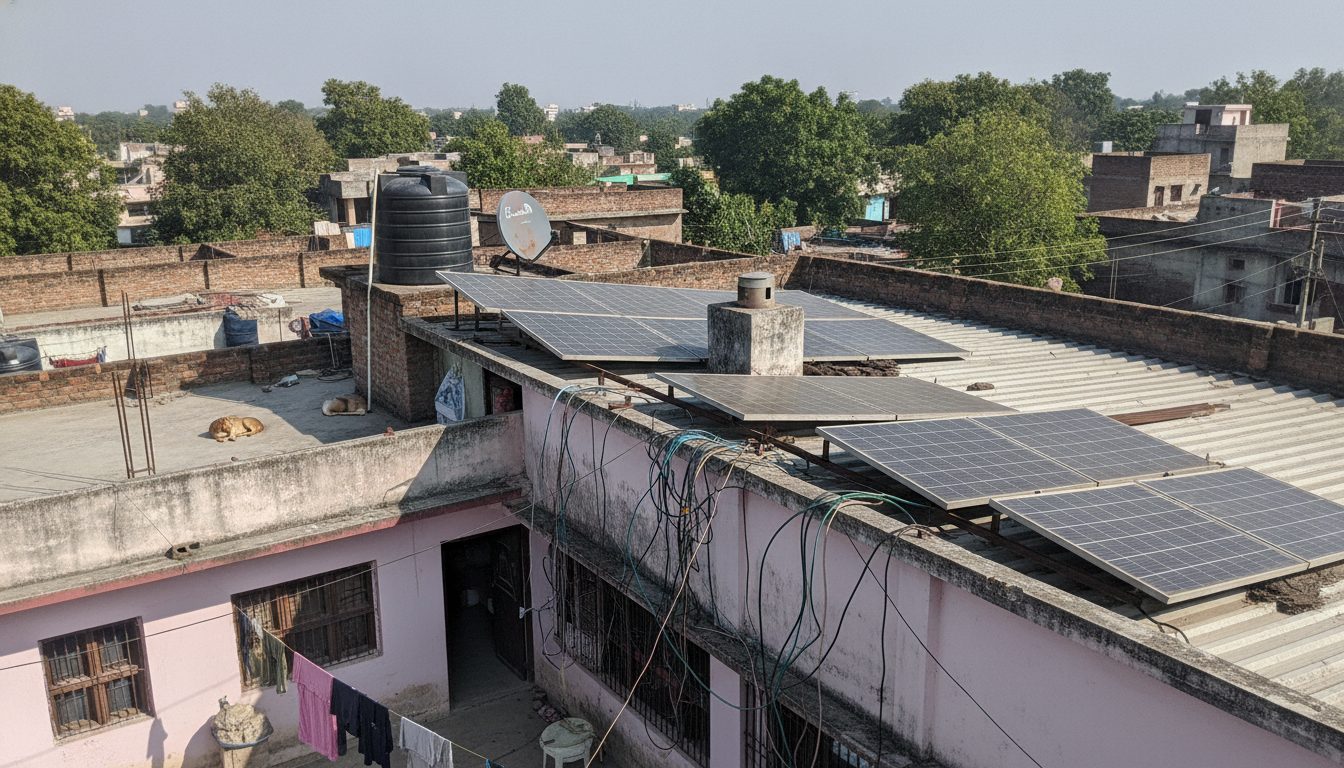
Always review your past electricity bills for a full twelve-month cycle before deciding on capacity. Shading analysis is another critical step often skipped during the initial survey. Nearby trees, water tanks, or future high-rises can cast shadows on panels and drastically cut output. Ensure your installer conducts a thorough shadow audit across all seasons before finalizing the layout.
Navigating Subsidies and DISCOM Approvals
Financial assistance is available under the PM Surya Ghar Muft Bijli Yojana subsidy, providing ₹30,000 for a 1kW system, ₹60,000 for a 2kW system, and ₹78,000 for a 3kW system and above as a maximum payout. Homeowners often miss out on these funds by failing to verify their vendor or by starting construction without proper paperwork. Always check that your installer is officially MNRE-empanelled.
Equally important is checking DISCOM-specific net metering rules for your state. Net metering is available in all major states under MNRE guidelines, but the application must be submitted correctly. Never skip or delay applying for net metering before or during installation, as unauthorized grid connection can lead to penalties or refusal of the meter by your local electricity board.
Hardware Quality and Warranty Documentation
Using inferior mounting structures or ignoring warranty paperwork creates long-term headaches. Solar panels are exposed to heavy wind, dust, and rain, so the mounting structure must be galvanized iron or high-grade aluminum to prevent rust and displacement. Poor structural integrity puts the entire array at risk during severe weather.
Always collect and verify your warranty documents directly from the manufacturers. Panels typically carry a 25-year performance warranty guaranteeing about 80 percent output at year 25, alongside a 10 to 12 year product warranty for manufacturing defects. Inverters and other components carry separate warranties that require proper registration to remain valid.
🌟 Ready to Go Solar? Get 3 Free Quotes
Connect with verified, MNRE-empanelled solar installers near you — free, no obligation.
Get Free Solar Quotes →