The Basics of Sunlight and Silicon
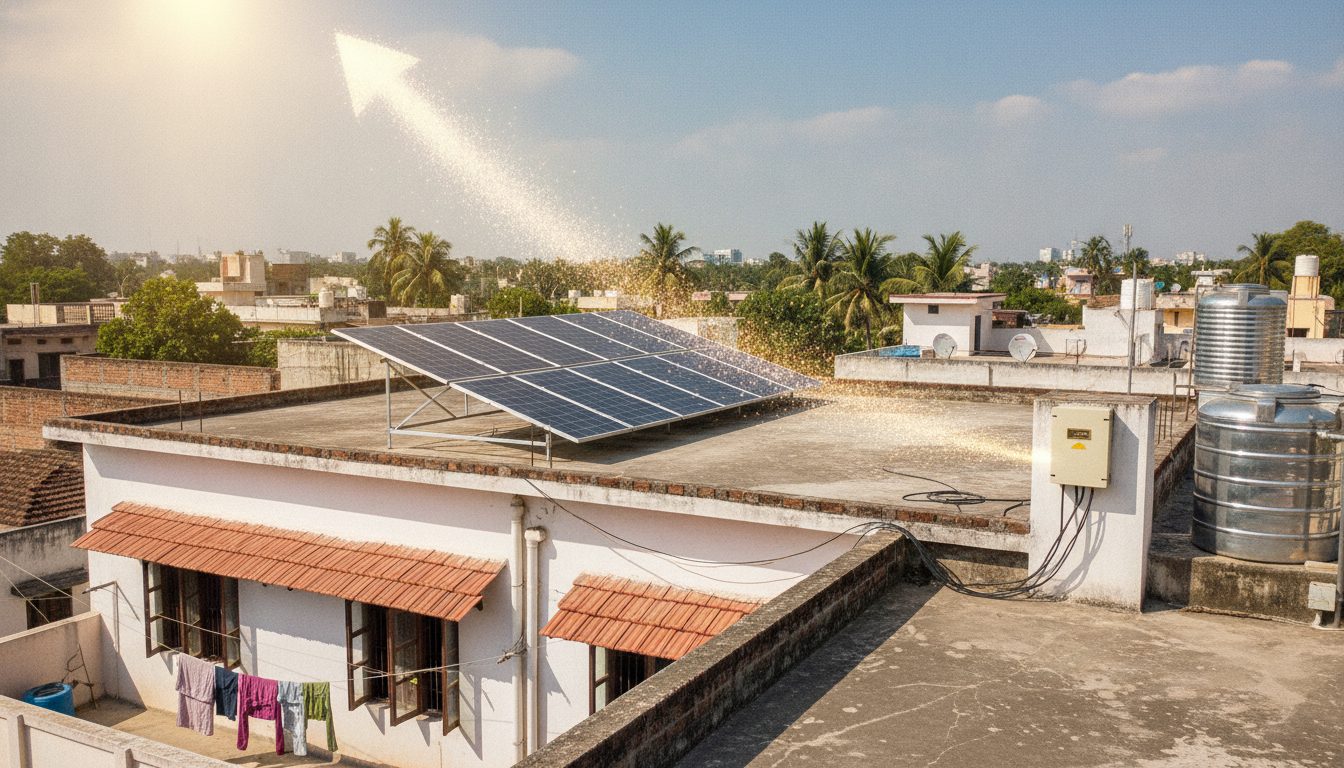
Sunlight hits your rooftop panels, which is where the process begins. If you have ever wondered how do solar panels work, it starts with photovoltaic cells made of silicon. These cells capture the light particles from the sun.
When sunlight strikes the silicon, it excites the electrons inside the material. This movement generates direct current, or DC, electricity. Every panel on a typical rooftop setup contains dozens of these individual silicon cells working together to produce a steady stream of power.
Converting DC Power to AC Power
Most home appliances, lights, and fans run on alternating current, or AC, electricity. Because rooftop panels generate DC electricity, a secondary piece of equipment is necessary to make the power usable.
A device called an inverter sits between your solar array and your home electrical panel. The inverter takes the DC electricity produced by the panels and converts it into standard AC electricity. Once converted, the power flows directly into your home circuits to run your daily loads.
Managing Surplus Power With Net Metering
Solar systems often produce more electricity during peak daytime hours than a household consumes at that exact moment. Net metering provides a practical way to handle this extra energy.
Through net metering, any surplus electricity generated by your rooftop system exports automatically back to the local utility grid. Your utility provider measures this exported energy, and you typically receive credits on your electricity bill for the power you send back.
🌟 Ready to Go Solar? Get 3 Free Quotes
Connect with verified, MNRE-empanelled solar installers near you — free, no obligation.
Get Free Solar Quotes →