Understanding the C&I Prospect and Market Realities
Solar EPC sales teams working with Commercial and Industrial prospects face specific hurdles that differ entirely from residential accounts. Business owners and facility managers often hesitate to transition due to high capital expenditure requirements, fears of operational downtime during installation, and navigating complex DISCOM approval processes. To successfully close commercial solar leads India, your pitch must directly address these operational and financial hesitations before presenting hardware specifications.
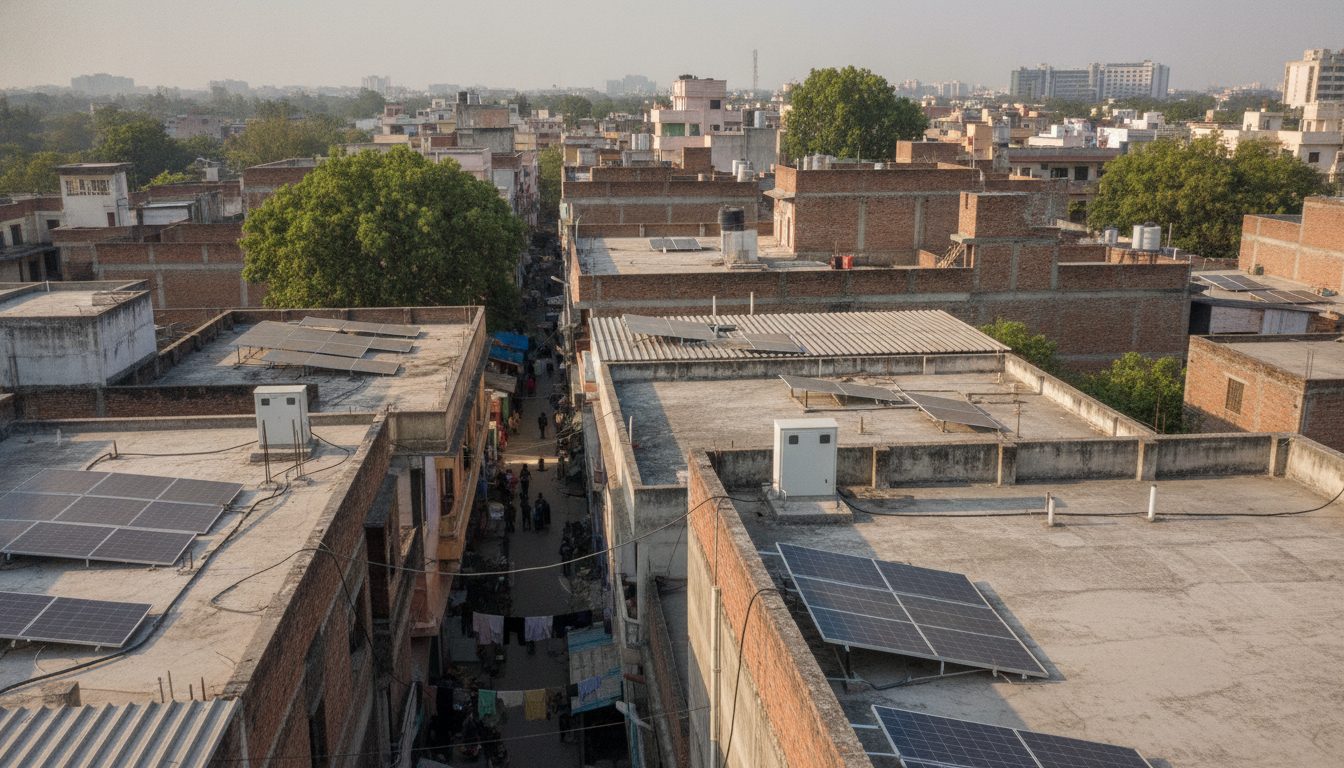
Facility heads care about business continuity above all else. When you meet a C&I prospect, map out your installation schedule around non-production hours. Transparency regarding structural load assessments and safety compliance alleviates initial skepticism. You can also evaluate preliminary space requirements using a solar roof area calculator to show facility heads how much capacity fits on their factory shed without disrupting skylights or ventilation equipment.
Want to see what this means for your roof? Use our free solar calculator for India to estimate system size, cost after the ₹78,000 subsidy and payback period.
Overcoming Capital Expenditure Hesitation
High upfront costs represent the single largest barrier in commercial solar sales. Many business owners view solar installations as a massive capital drain rather than an operational investment. Sales professionals must shift this narrative immediately by introducing structured financial frameworks that eliminate upfront capital outlays entirely.
Present pay-as-you-save models, OPEX arrangements, and third-party-owned power purchase agreements. Under these structures, the client pays only for the units consumed or makes predictable monthly payments that remain lower than their historical grid electricity bills. When the immediate capital barrier disappears, the conversation shifts from affordability to immediate operational savings.
Handling Objections Regarding Operational Disruption and DISCOM Approvals
Business owners frequently worry that mounting solar panels will cause roof leaks, disrupt daily factory work, or trigger prolonged delays with local electricity board approvals. Your sales playbook must handle these fears through structured, factual communication.
Prepare your engineering team to present detailed site drawings and non-penetrative mounting techniques for metal shed roofs. Regarding DISCOM net-metering approvals, outline your company's end-to-end liaison process clearly. Provide estimated timelines for application filing, feasibility studies, and meter installation so the client knows your team manages the regulatory burden completely.
Presenting Financial Metrics and Closing the Deal
C&I buyers make decisions based on hard financial data. Instead of focusing on vague environmental benefits, centre your final pitch on internal rate of return (IRR), payback periods, and long-term cash flow projections.
Use an exact script to guide the financial discussion. State clearly: 'Based on your current grid tariff of ₹[amount] per unit and your daily load profile, this system delivers an internal rate of return of [percentage] with a payback period under [number] years.' Hand over a clean, printable financial summary sheet and ask a direct closing question such as: 'Shall we schedule the structural engineering audit for Tuesday morning to lock in these grid tariff rates before the next billing cycle?'
🌟 Ready to Go Solar? Get 3 Free Quotes
Connect with verified, MNRE-empanelled solar installers near you — free, no obligation.
Get Free Solar Quotes →