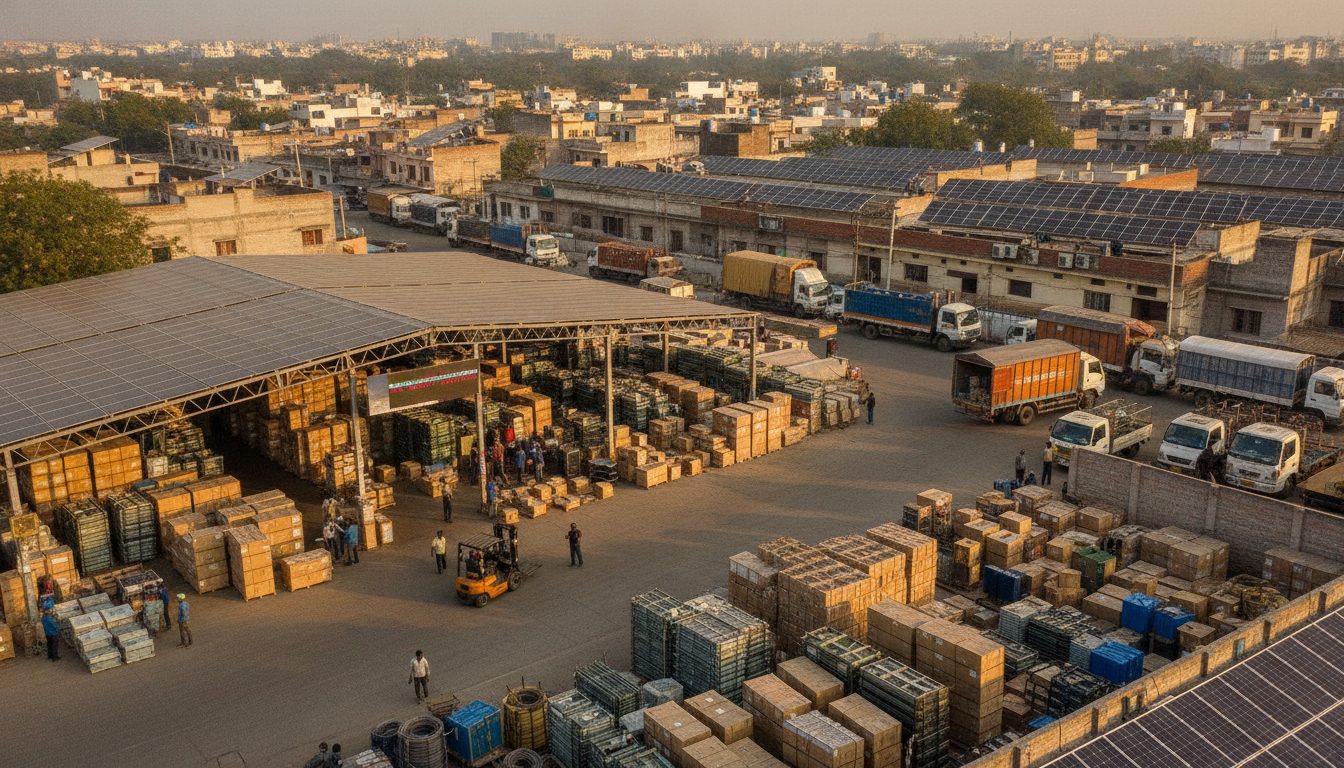
Controlling Holding Costs and Working Capital
Inventory holding costs for Tier-1 solar panels and inverters can eat up to 15 percent of a dealer's working capital if stock turns over too slowly. Slow turnover ties up funds that you need for daily operations and new bulk orders. Implementing dedicated solar inventory management software india helps track stock velocity in real time so you do not over-order heavy components. By matching your incoming stock directly with confirmed customer demand, you keep holding expenses under control.
Before locking in large equipment orders for residential sites, check your exact space requirements and system sizes using our solar roof area calculator. Precise sizing prevents you from stocking panels and inverters that sit in the warehouse for months.
Not sure what size you need? Our free solar calculator works out system size, cost after subsidy and payback from your monthly electricity bill.
Handling Import Duty Fluctuations on Photovoltaic Cells
Import duties on photovoltaic cells and modules change frequently based on government policy updates and trade adjustments. These shifts create sudden price gaps for dealers who rely heavily on imported hardware. To manage this volatility, you need clear tracking mechanisms within your supply chain setup. Diversifying your procurement channels helps absorb cost shocks when import tariffs rise unexpectedly.
Keep a close eye on landed costs rather than factory gate prices alone. When duties increase, pass transparent estimates to clients early using tools like the main solar system cost calculator so project budgets do not fail midway through installation.
Managing Vendor Relationships and Automated Reorder Points
Strong coordination with top Indian and international module manufacturers prevents stockouts during peak installation seasons. Reliable suppliers provide consistent delivery schedules, but you must still monitor your own replenishment triggers. Setting up an automated reorder point system removes guesswork from warehouse operations.
When your stock of Tier-1 panels or hybrid inverters drops below a specific threshold based on average daily sales, the system triggers a purchase order automatically. This proactive approach stops project delays and keeps installation crews working without interruption.
Warehouse Storage Safety for Lithium-Ion Battery Banks
Lithium-ion battery banks require strict environmental controls while sitting in your warehouse before installation. Exposure to high ambient temperatures accelerates capacity degradation and reduces the lifespan of the energy storage system. Store batteries in dry, well-ventilated areas away from direct sunlight.
Maintain inventory in a strict first-in, first-out sequence so older stock is dispatched to sites before newer shipments. Proper handling protects your warranty terms and ensures end users receive fully functional, undegraded equipment.
🌟 Ready to Go Solar? Get 3 Free Quotes
Connect with verified, MNRE-empanelled solar installers near you — free, no obligation.
Get Free Solar Quotes →