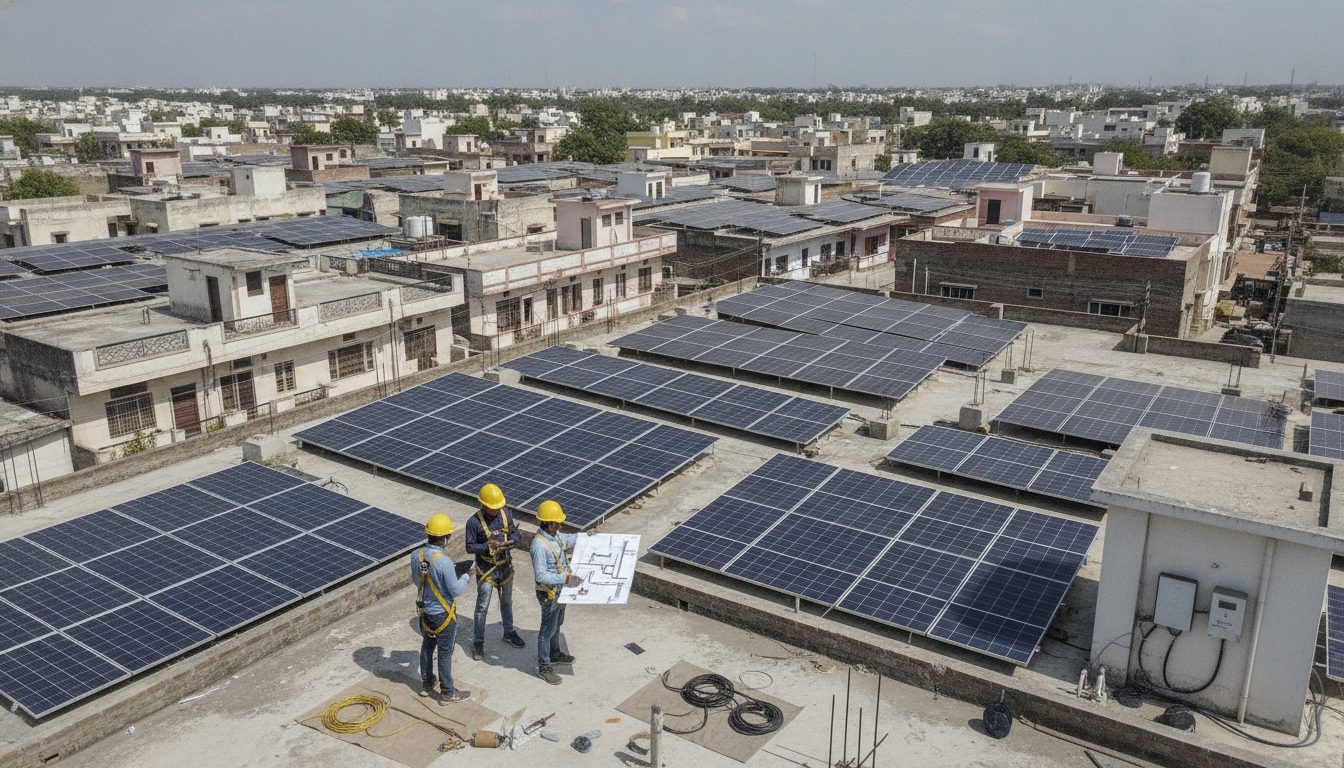
Understanding the PM Surya Ghar Vendor Registration Process
The national rooftop solar initiative targets 10 million households across India, requiring an organized network of verified installers to handle installations. Completing pm surya ghar vendor registration correctly is the first operational step for any business aiming to participate in the scheme. Vendors must register on the official national portal using valid corporate credentials, GST details, and electrical contractor licenses. Once registered, businesses gain access to the central dashboard needed for managing consumer applications, tracking feasibility reports, and processing subsidy claims.
Before you begin the digital onboarding, gather all legal incorporation documents and valid electrical licensing certificates required by your state distribution company. Incomplete submissions frequently trigger application rejections, which delays system commissioning for homeowners. To help your prospective clients plan their budgets before installation, you can direct them to use our interactive solar system cost and savings calculator for accurate financial projections.
Not sure what size you need? Our free solar calculator works out system size, cost after subsidy and payback from your monthly electricity bill.
Submitting Bank Guarantees and Financial Documentation
Financial compliance forms a major part of portal onboarding. Authorized vendors must submit valid bank guarantees or required security deposits according to the guidelines set by nodal agencies. The national portal requires scanned copies of these financial instruments during the verification stage. Ensure that the bank guarantee values match the exact tier or category your company applies for under the scheme.
Keep your financial audit reports, company PAN cards, and canceled cheques ready in digital formats. Mismatched business names or expired bank certificates are primary reasons for administrative rejection. Check all scanned files for clarity before final upload to prevent prolonged verification cycles.
Managing Technical Documentation and Feasibility Approvals
Technical compliance determines whether a household project passes the local distribution company review. Vendors must upload accurate single-line diagrams, inverter specifications, and panel datasheets matching the approved list of models and manufacturers. After submission, the local utility reviews the technical feasibility of the site.
Track the status of each application through the vendor dashboard regularly. If a utility engineer raises an objection regarding transformer capacity or shadow analysis, respond with updated site drawings immediately. Precise documentation prevents installation bottlenecks and ensures that subsidy disbursals reach homeowners without unnecessary administrative delay.
🌟 Ready to Go Solar? Get 3 Free Quotes
Connect with verified, MNRE-empanelled solar installers near you — free, no obligation.
Get Free Solar Quotes →