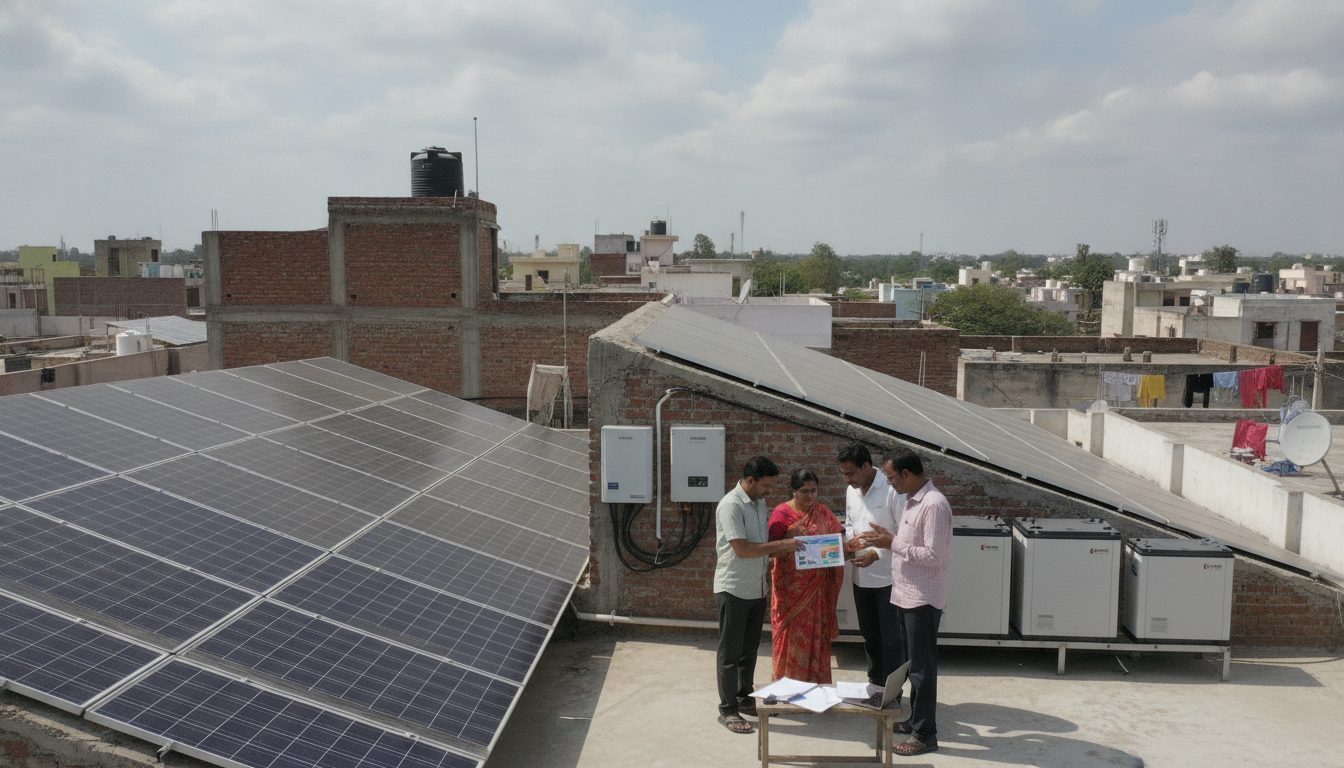
Understanding Power Cuts and Grid-Tied Limitations
Power cuts and grid instability continue to drive residential interest in battery backups across many regions. Standard grid-tied inverters automatically shut down during blackouts for safety reasons to prevent back-feeding electricity into disabled lines where repair crews might be working. Because of this automatic shutdown mechanism, households seeking continuous power during outages cannot rely on basic grid-tied setups alone.
To maintain electricity supply when the local grid fails, homeowners must transition to hybrid systems. These configurations manage both grid imports and battery reserves. To figure out the right setup size for your household demands, you can use the home inverter and battery backup size calculator before speaking with an installer.
Evaluating Lithium Iron Phosphate (LiFePO4) Performance
Battery chemistry determines longevity and daily reliability. Lithium iron phosphate (LiFePO4) cycle life metrics make this chemistry the preferred choice for residential storage. These batteries support thousands of charge and discharge cycles while maintaining high depth of discharge limits, which translates to years of dependable service during regular grid outages.
Compared to older lead-acid alternatives, LiFePO4 units demand less physical space and maintenance. Their degradation rate remains predictable under standard operating temperatures found in Indian residential environments. This durability directly influences the long-term financial calculations for home energy storage.
Analyzing Backup Costs and Net Metering Rules
Financial planning requires looking at both hardware expenses and regulatory frameworks. Typical backup costs for 5kW loads involve the purchase of hybrid inverters, matching LiFePO4 battery banks, and balance-of-system components. You can evaluate the broader financial returns and payback timelines by checking the solar ROI and payback period calculator.
Net metering interplay under current DISCOM regulations also shapes total financial outcomes. DISCOM policies dictate whether excess solar generation exported to the grid offsets your evening consumption or battery charging costs. Reviewing local state electricity board guidelines helps ensure your hybrid system complies with sanctioned export limits.
🌟 Ready to Go Solar? Get 3 Free Quotes
Connect with verified, MNRE-empanelled solar installers near you — free, no obligation.
Get Free Solar Quotes →