Understanding the Net Metering Application Procedure
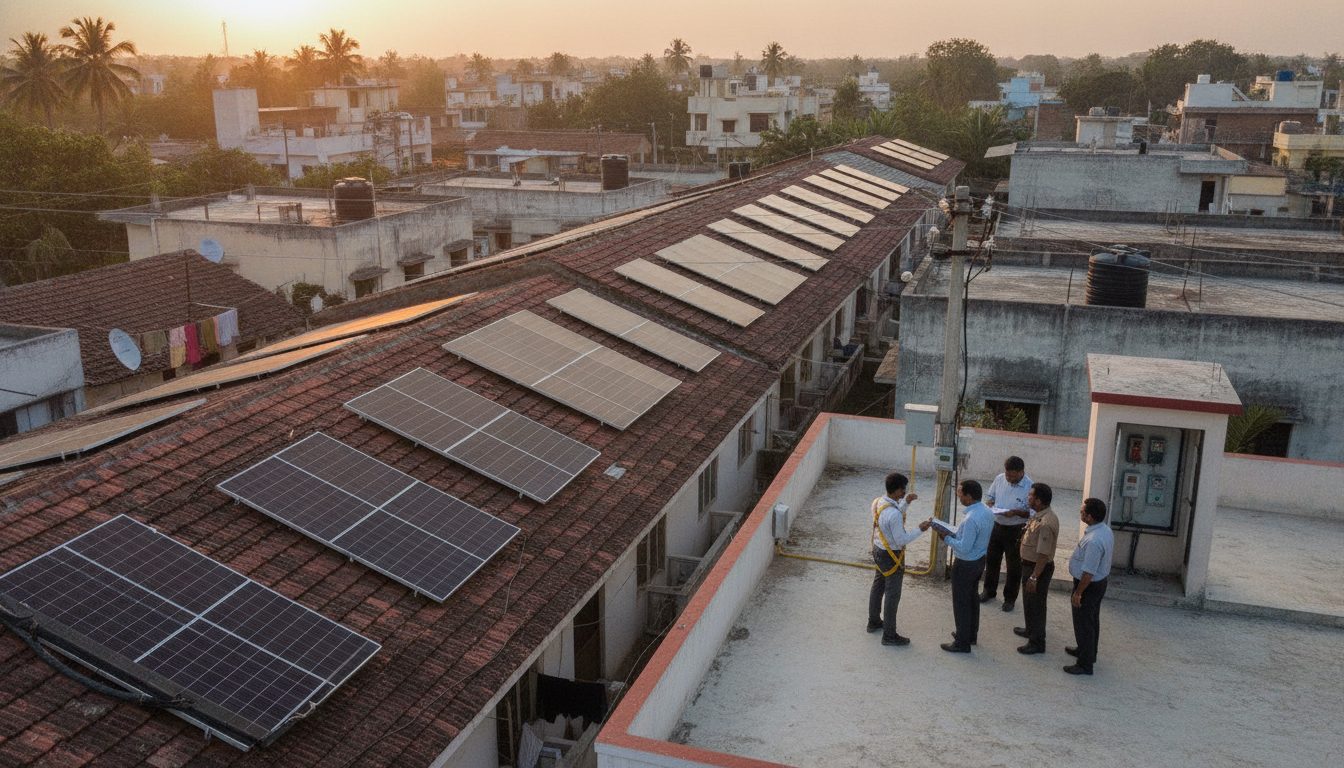
Navigating state-specific DISCOM regulations is critical for residential solar adoption in India. Initiating the solar net metering process india requires homeowners to register on their respective state DISCOM portal or the national PM Surya Ghar rooftop solar portal. During online registration, you must submit technical details of your solar inverter and panels. Once the DISCOM reviews your application, an officer conducts a site inspection to check technical feasibility before issuing an approval letter.
Standard application fees apply depending on your discom and the sanctioned load of your solar system. To estimate your overall expenses before applying, you can use our solar system cost, savings, and subsidy calculator to plan your budget accurately.
Not sure what size you need? Our free solar calculator works out system size, cost after subsidy and payback from your monthly electricity bill.
Required Documents Checklist for DISCOMs
Submitting complete paperwork prevents delays during verification by DISCOM officials. Keep scanned copies and physical sets of these documents ready before starting your application:
- Latest electricity bill showing consumer number and sanctioned load
- Identity proof of the property owner (Aadhaar card, voter ID, or passport)
- Proof of property ownership (property tax receipt, municipal bill, or sale deed)
- Wiring diagram and installation certificate provided by your empaneled solar vendor
- Passport-size photograph of the applicant
- Signed net metering application form and undertaking formats prescribed by your state utility
Bi-Directional Meter Installation Timelines
After your solar system installation is complete, the DISCOM must test the setup and install a bi-directional meter. State regulations outline specific timelines for meter testing and installation following the completion report submission. If approvals or meter installations face delays, homeowners should file a formal written grievance with the local discom sub-division office or escalate the matter through the state electricity regulatory commission consumer grievance redressal forum.
Impact of Net Metering Credits on Electricity Bills
Net metering ensures that excess solar power exported to the grid offsets the units you import during non-production hours. Under the PM Surya Ghar scheme, these exported units earn credits that directly reduce your monthly electricity consumption charges. To understand how your net-billed units translate into monetary savings across different tariff slabs, you can check our solar bill simulator and tariff calculator for precise projections.
🌟 Ready to Go Solar? Get 3 Free Quotes
Connect with verified, MNRE-empanelled solar installers near you — free, no obligation.
Get Free Solar Quotes →