Evaluating Terrace Structural Integrity and Waterproofing
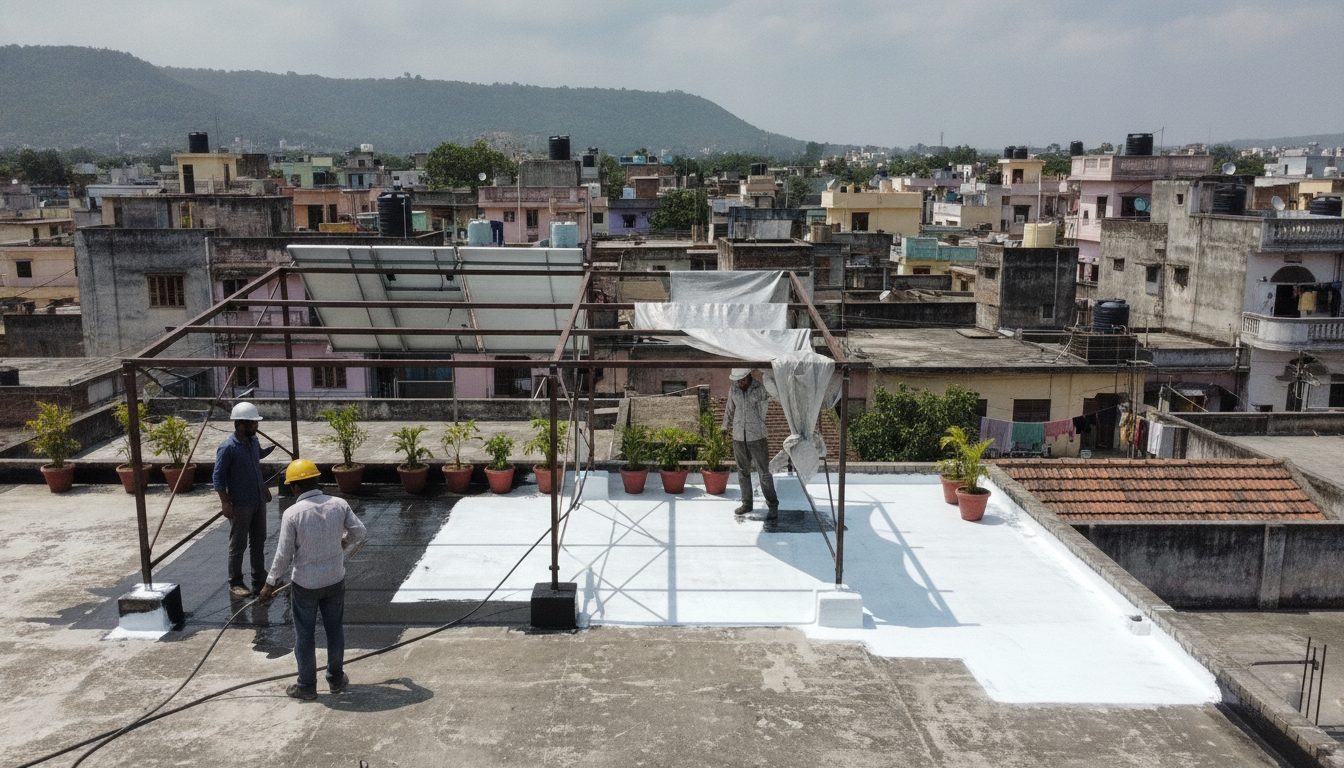
Performing a detailed solar roof waterproofing shade analysis India is the first step for any homeowner planning a rooftop photovoltaic system. Solar panels add substantial dead weight to a building, meaning the underlying concrete slab must be inspected for load-bearing capacity before installation begins. Terraces often develop micro-cracks over time due to thermal expansion and monsoon rains. Fixing these structural vulnerabilities beforehand avoids expensive removal and re-installation of solar hardware later.
Property owners should check for existing dampness on interior ceilings directly below the terrace. Engaging a structural engineer ensures the roof can safely support both the ballast or mounting frames and the panels themselves. You can also estimate your available installation space using our solar roof area calculator to plan the layout safely.
Not sure what size you need? Our free solar calculator works out system size, cost after subsidy and payback from your monthly electricity bill.
Protecting Waterproofing Membranes and Preventing Leaks
Drilling anchor bolts into a terrace floor creates potential entry points for rainwater seepage. Long-term leakage prevention relies on protecting the existing waterproofing membrane. Installers should use core-drilling methods carefully and seal every penetration point with specialized sealants. Applying chemical epoxy coatings across the terrace surface adds a durable barrier against moisture ingress, protecting both the roof slab and the building structure for decades.
Mounting feet should never sit directly on bare concrete where water pools during heavy rains. Raising the mounting base slightly using engineered pedestals allows water to drain freely toward terrace outlets. Regular inspection of these sealed joints prevents water from seeping beneath the membrane and causing structural rust in the steel rebar.
Managing Shade and String Inverter Performance
Shadows severely disrupt power generation in modern photovoltaic setups. Localized shadow casting from overhead water tanks, high parapet walls, and neighboring buildings can trigger significant drops in electricity output. When a single panel in a series string falls into shadow, the entire string's current drops to match the shaded module unless bypass diodes or module-level power electronics are used.
Conducting an on-site shadow analysis across different hours of the day helps map out clear zones. Installers should place arrays away from vertical obstructions to maintain high string inverter performance. Proper elevation of mounting structures also helps panels clear low-lying obstacles and improves underside airflow, which keeps operating temperatures lower.
🌟 Ready to Go Solar? Get 3 Free Quotes
Connect with verified, MNRE-empanelled solar installers near you — free, no obligation.
Get Free Solar Quotes →