 SolarCalculators
Rooftop Solar Mistakes That Void Your Subsidy: Top 7 (2026)
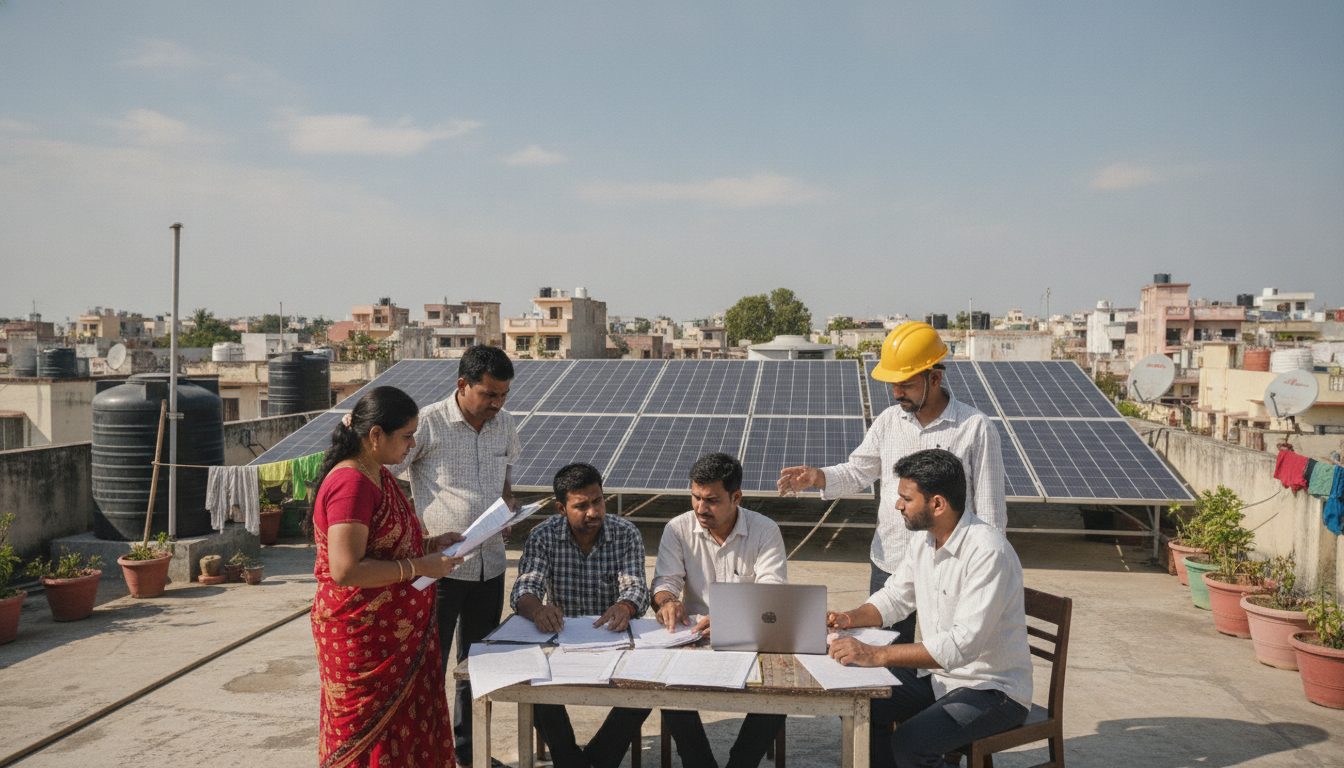
The PM Surya Ghar: Muft Bijli Yojana provides up to ₹78,000 in Central Financial Assistance (CFA) directly into the homeowner's bank account via Direct Benefit Transfer (DBT). However, the Ministry of New and Renewable Energy (MNRE) and state DISCOMs enforce stringent quality and compliance checks before releasing funds.
If your vendor cuts corners or overlooks statutory guidelines, your application will be flagged during the Joint Physical Inspection (JPI) or Project Completion Report (PCR) stage. Here are the 7 most dangerous installation mistakes and how to safeguard your subsidy.
Direct Comparison: Approved vs Disqualified Solar Installations
| Compliance Parameter | ✅ 100% Subsidy Approved | ❌ Subsidy Rejected / Frozen |
|---|---|---|
| Module Type | MNRE ALMM List-I & DCR Certified (Made-in-India cells & modules) | Non-DCR / Imported Chinese cells / Unlisted brands |
| Inverter Certification | BIS (IS 16221 & IS 16169) certified with Anti-Islanding Protection | Non-BIS certified or unbranded grey market inverters |
| Earthing System | 3 Separate Chemical Earthing Pits (Solar Structure, Inverter AC/DC, LA) | Single common earthing or looped into home domestic ground |
| Lightning Protection | Dedicated Copper/GI Franklin Rod with certified down-conductor | No lightning arrester installed or ungrounded rod |
| Bank Account Verification | Name on National Portal strictly matches Bank Passbook & Electricity Bill | Minor spelling mistake or spouse's bank account linked |
| Vendor Empanelment | Registered & active vendor on National Rooftop Solar Portal | Unregistered freelance contractor or sub-contracted third party |
Not sure what size you need? Our free solar calculator works out system size, cost after subsidy and payback from your monthly electricity bill.
The 7 Costly Solar Installation Mistakes Explained
1. Installing Non-DCR Solar Modules
Under MNRE regulations, residential subsidy is tied exclusively to Domestic Content Requirement (DCR) modules. Non-DCR panels (which use imported solar cells assembled locally) are ₹3 to ₹5 per watt cheaper, tempting some unscrupulous installers to offer cut-rate pricing. If non-DCR serial numbers are scanned during the DISCOM geo-tagged inspection, your claim is immediately revoked.
2. Single Earthing Pit Shortcut (The "Looping" Fraud)
Indian standard IS 3043:2018 and Central Electricity Authority (CEA) safety guidelines mandate a minimum of 3 dedicated earthing pits for grid-tied rooftop solar systems:
- Pit 1: Structure and module frame earthing (preventing shock hazards on roof).
- Pit 2: Inverter AC & DC distribution box (SPD) grounding.
- Pit 3: Lightning Arrester (LA) discharge grounding.
Combining all three wires into a single existing domestic earthing point saves the installer ₹4,000, but will cause an automatic rejection during the DISCOM junior engineer inspection.
3. Missing Anti-Islanding Protection on the Inverter
Grid-tied inverters must automatically disconnect within 2 seconds (0.2s under IEC 62116) whenever grid power fails. This protects DISCOM linemen working on utility poles from electrocution. Cheap non-BIS inverters lacking certified anti-islanding relays are strictly prohibited.
4. Name and Document Mismatches on the National Portal
The name on your DISCOM electricity connection (Consumer ID), your Aadhaar card, and your Bank Account (cancelled cheque/passbook) must match character for character. If the electricity meter is registered in your late father's name or your spouse's name, the automated PFMS (Public Financial Management System) validation will bounce your ₹78,000 payment.
5. Structurally Uncertified Elevated Mountings
If your solar installer mounts panels on an elevated rooftop structure higher than 1.5 meters to create usable roof space beneath, DISCOM inspectors require a Structural Stability Certificate signed by a certified civil/structural engineer. Without this certificate, safety sign-off is withheld.
6. Failing the Mandatory Geo-Tagged Photo Protocol
The National Portal requires the empanelled vendor to upload high-resolution, geo-tagged photos of: (1) module RFID/barcode scans, (2) the inverter nameplate with serial number, (3) earthing pits with chamber covers, and (4) the installed bi-directional net meter. Blurry photos or fake GPS coordinates trigger automated audit locks.
7. Paying 100% Upfront to an Unregistered Vendor
Always verify that your installer is officially listed on the pmsuryaghar.gov.in empanelled vendor directory. Unofficial contractors frequently take upfront payments, buy unapproved grey-market stock, and disappear when DISCOM rejection notices arrive.
Step-by-Step Checklist to Guarantee Your ₹78,000 Subsidy
Demand the DCR Manufacturer Certificate
Before panels are hoisted onto your roof, ask your vendor for the manufacturer's DCR Certificate and scan the embedded RFID chip inside the module glass using a barcode app to confirm genuine Tier-1 DCR status.
Verify Inverter BIS Registration Number
Check the inverter label for the official Bureau of Indian Standards (BIS) R-number and verify its active status on the BIS CRS portal.
Inspect the 3 Chemical Earthing Pits
Ensure your installer uses copper-bonded electrodes with bentonite/carbon grounding compound and tests pit resistance below 5 Ohms before casting concrete inspection chambers.
🔗 Essential Subsidy & Planning Calculators
Calculate Your PM Surya Ghar Subsidy Free Quote Price Checker Solar System Sizing Calculator State DISCOM Rules & TariffsFrequently Asked Questions
Verify Your Exact Subsidy Amount
Enter your monthly electricity consumption to calculate your eligible 1kW to 3kW+ central government subsidy in seconds.
Check PM Surya Ghar Subsidy →