Understanding Cash Flow Pressures in Solar Distribution
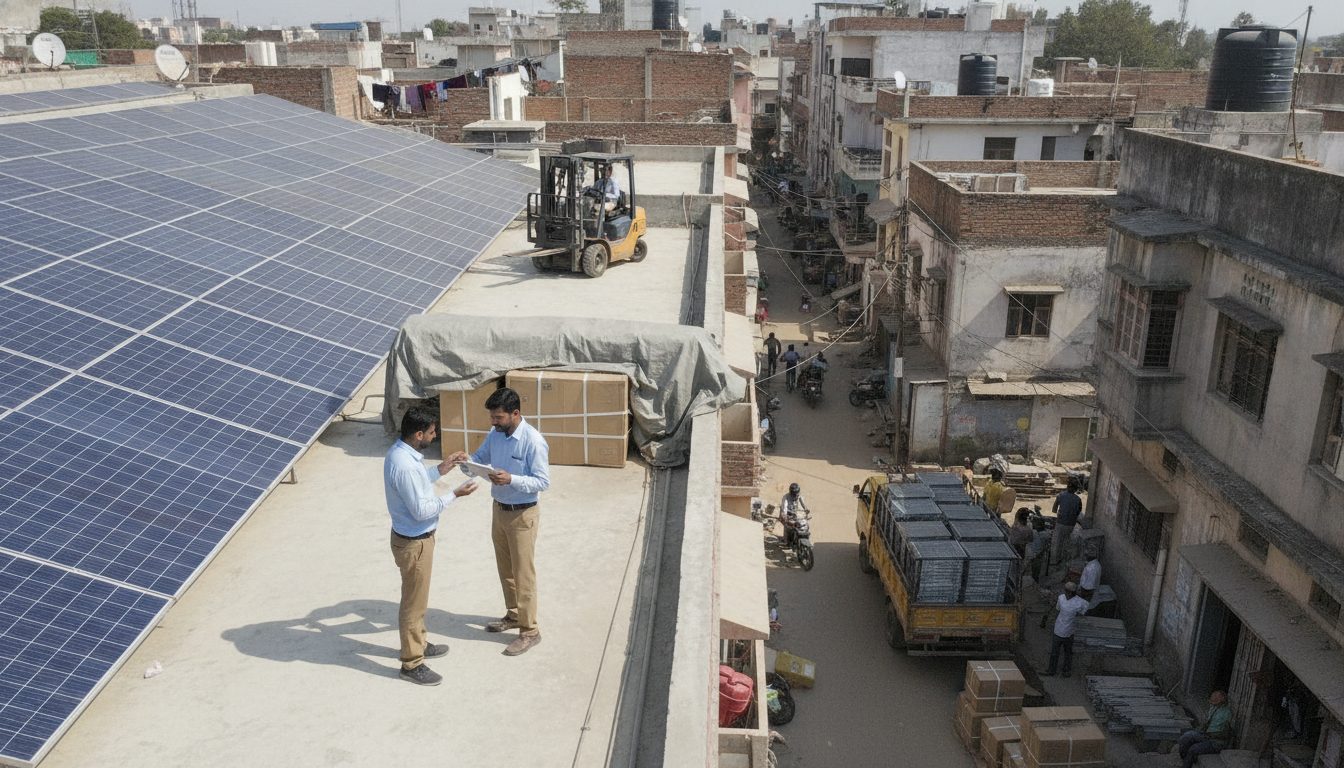
Effective solar distributor working capital management starts with recognizing why procurement drains cash reserves so quickly. Solar module and inverter procurement requires heavy upfront capital, making cash flow management critical for regional dealers dealing with seasonal demand spikes. Because purchasing tier-one panels and string inverters involves large purchase orders before installation revenue arrives, regional suppliers often face liquidity crunches.
Dealers must balance the timing of vendor payments with customer credit terms. When regional demand surges during peak installation months, capital gets locked up in transit and warehouse storage. Maintaining visibility over accounts receivable helps prevent sudden shortfalls. Homeowners evaluating system viability often check equipment costs on our solar system cost and savings calculator, which reflects broader market price trends that distributors must factor into their procurement planning.
Not sure what size you need? Our free solar calculator works out system size, cost after subsidy and payback from your monthly electricity bill.
Leveraging Channel Financing and Credit Lines
Relying solely on internal cash reserves restricts how much inventory a distributor can hold. Channel financing bridges the gap between placing bulk orders with manufacturers and receiving payments from regional installers. Banks and non-banking financial companies offer vendor financing programs designed specifically for renewable energy supply chains.
These credit lines allow distributors to take delivery of solar panels and balance-of-system components without paying cash immediately. Repayment terms align with actual sales cycles. Negotiating credit periods with tier-one module manufacturers also reduces immediate capital outlays, keeping liquidity stable during slow demand quarters.
Optimizing Warehouse Inventory Turns
Holding excess stock ties up funds that could otherwise support daily operations. Efficient warehouse management requires tracking how fast specific wattages of solar panels and inverter capacities move out of the facility. Slow-moving stock incurs storage costs and increases the risk of component obsolescence as manufacturer specifications update.
Distributors should categorize inventory based on regional installation trends. Keeping lean buffer stock for high-demand items prevents capital stagnation. Regular audits ensure that warehouse staff can dispatch orders quickly, reducing order-to-delivery timelines for regional dealers.
Mitigating Supplier Price Volatility
Global raw material fluctuations directly impact module and inverter prices, threatening profit margins for regional distributors. Sudden price drops leave existing warehouse stock valued higher than current market rates, while price spikes increase procurement costs beyond quoted customer rates.
To protect margins, distributors use fixed-price forward contracts with select manufacturers or pass variable pricing clauses into dealer agreements. Diversifying supplier relationships also prevents over-reliance on a single manufacturer whose production delays could halt regional supply chains.
🌟 Ready to Go Solar? Get 3 Free Quotes
Connect with verified, MNRE-empanelled solar installers near you — free, no obligation.
Get Free Solar Quotes →