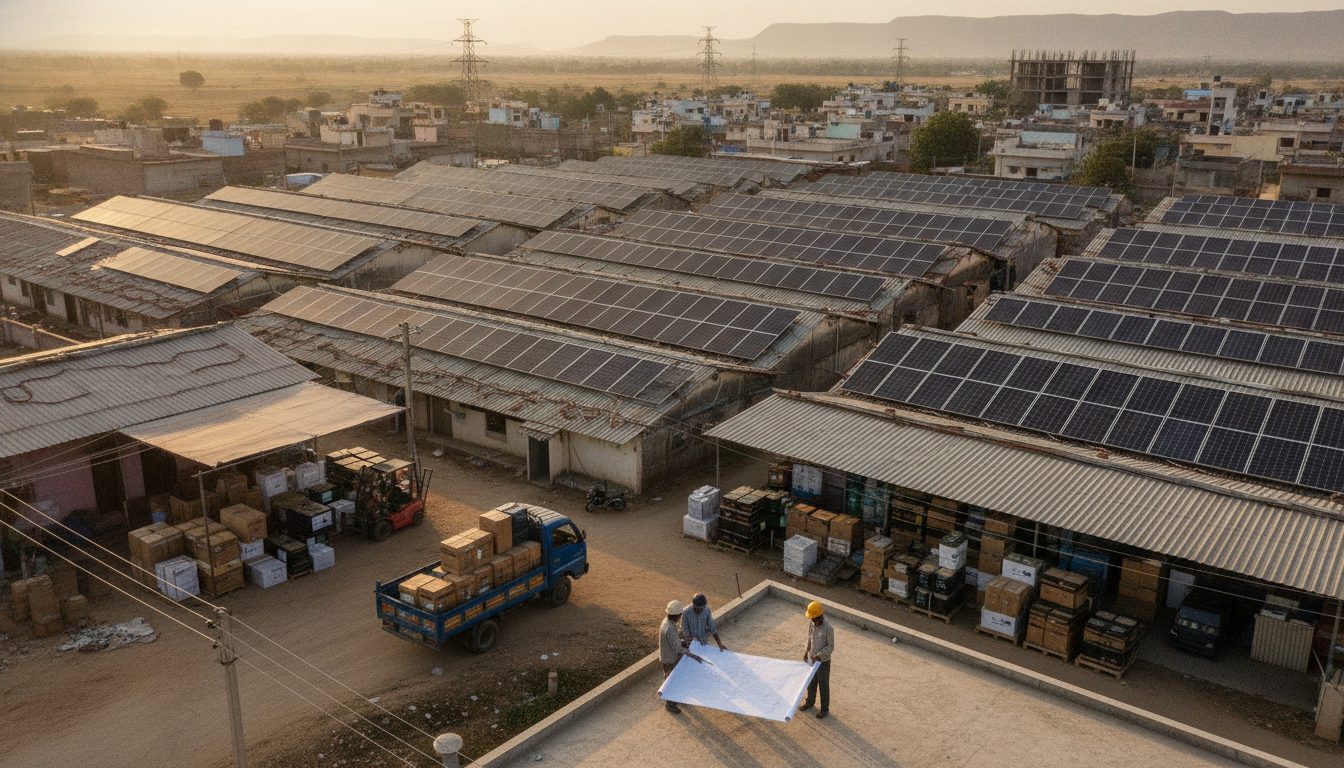
Bulk Procurement and Tier-1 Supply Chain Stability
A successful solar distributor margin strategy relies heavily on securing stable bulk procurement contracts with tier-1 manufacturers. Solar dealers face intense price competition and fluctuating module costs from tier-1 manufacturers, making spot purchases risky for long-term profitability. Distributors must negotiate volume-based pricing tiers directly with major module and inverter producers. Locking in these supply chains early helps maintain predictable wholesale pricing before raw material costs shift.
When planning inventory purchases, distributors often coordinate with dealers who use a solar roof area calculator to estimate project sizing accurately. Matching wholesale orders to actual market demand prevents overstocking expensive components and minimizes holding costs during quiet quarters.
To check the numbers for your own home, try the solar calculator — enter your electricity bill and get system size, subsidy and payback in seconds.
Working Capital Management During Seasonal Demand Spikes
Cash flow pressure peaks when seasonal demand spikes collide with delayed payments from downstream installers. Distributors need a clear plan for working capital to fund large shipments of heavy inventory before receiving final customer payments. Establishing flexible credit lines with financial institutions or negotiating extended payment terms with manufacturers prevents cash crunches.
Smart inventory management ensures that fast-moving items like string inverters and mounting structures do not tie up capital needed for bulk module imports. Balancing stock levels keeps operations fluid while protecting profit margins from unexpected financing costs.
Navigating Interstate Logistics for Fragile Equipment
Transporting glass-front modules and heavy inverters safely across state borders presents significant logistical hurdles in India. Glass breakage and micro-cracks during transit destroy distributor margins if freight insurance and proper packaging are neglected. Working with specialized logistics providers experienced in handling delicate renewable energy hardware reduces transit damage rates.
Route planning, pallet stabilization, and secure loading protocols are mandatory for long-distance transit between manufacturing hubs and regional warehouses. Absorbing freight damage is not an option when margins are thin, so verifying transporter accountability remains a top priority for wholesale operations.
🌟 Ready to Go Solar? Get 3 Free Quotes
Connect with verified, MNRE-empanelled solar installers near you — free, no obligation.
Get Free Solar Quotes →