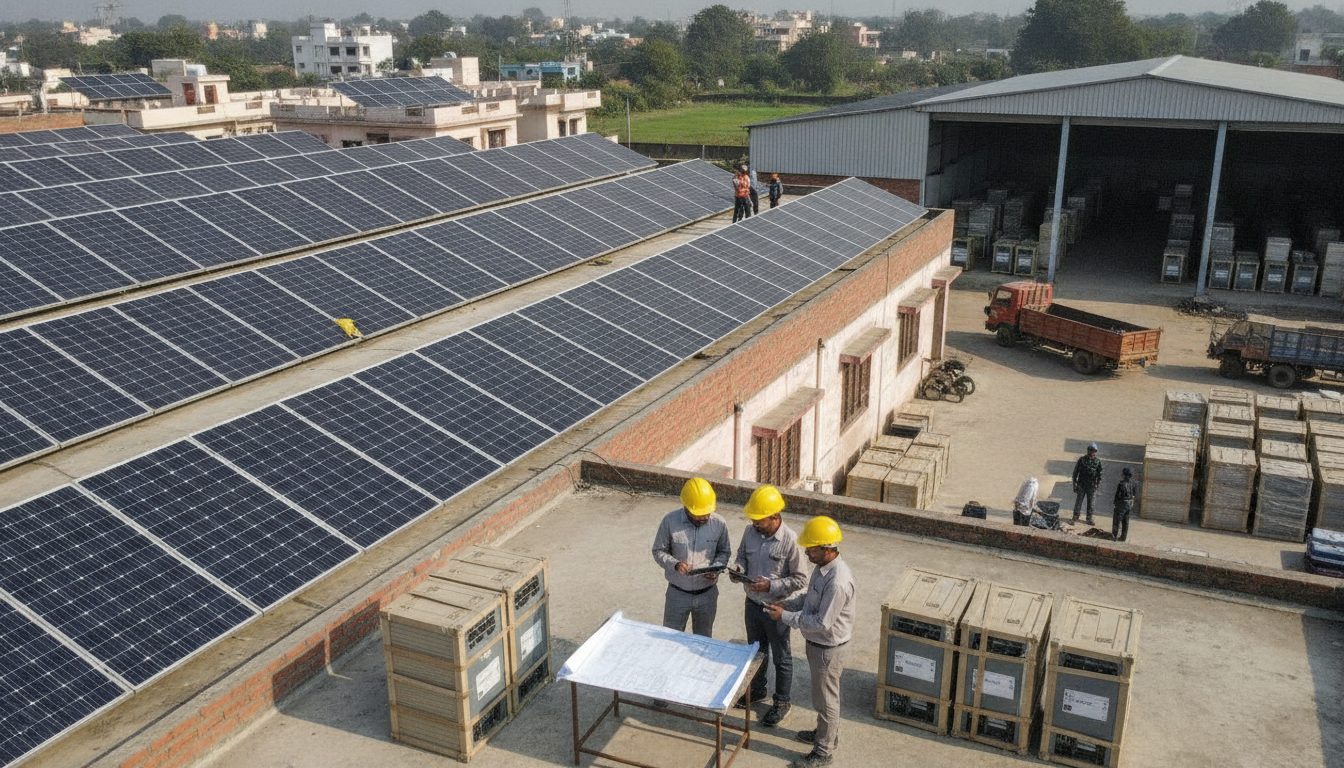
Navigating Price Fluctuations in Solar Components
Effective solar EPC supply chain management India requires active planning for mid-sized firms dealing with frequent price swings in inverters, cables, and ALMM-compliant modules. Unpredictable component costs can quickly erode estimated project margins if procurement schedules are left unmanaged. Mid-sized companies face distinct pressure during installation seasons when component demand peaks and suppliers alter pricing overnight.
To maintain financial stability, EPC operators must align their procurement timelines with realistic project milestones. Before ordering materials, teams should evaluate system sizing and requirements using a solar system cost and savings calculator to prevent over-purchasing inventory that ties up crucial working capital. Maintaining clear visibility over material costs helps businesses submit accurate bids without absorbing unexpected supplier hikes.
Buffer Stock Management and Lean Inventory Practices
Balancing inventory levels prevents capital from sitting idle in warehouses while protecting project timelines from sudden delivery delays. Lean inventory practices protect gross profit margins during peak installation seasons by ensuring components arrive precisely when installation teams need them on-site. Holding high volumes of inverters and cables ties up cash that could otherwise fund daily operations.
Instead of over-ordering, successful firms maintain a calculated buffer stock of fast-moving items like cabling and mounting structures. This approach absorbs minor supply chain disruptions without straining liquidity. When planning commercial or residential layouts, verifying physical constraints via a solar roof area calculator ensures that module procurement matches exact site specifications, minimizing waste and return overheads.
Hedging Strategies and Manufacturer Negotiations
Protecting profit margins against volatile module prices involves structured procurement contracts and direct supplier negotiations. EPC firms can mitigate market risks by establishing fixed-price supply agreements with manufacturers ahead of peak quarters. These agreements lock in rates for ALMM-compliant modules before seasonal demand spikes drive up market prices.
Negotiating favorable payment terms with manufacturers also preserves working capital. Instead of paying upfront for bulk orders, companies should push for milestone-based payment structures tied to dispatch and delivery confirmations. Building dependable relationships with Tier-1 component makers gives mid-sized EPCs priority access to inventory during industry-wide shortages, ensuring projects stay on schedule.
🌟 Ready to Go Solar? Get 3 Free Quotes
Connect with verified, MNRE-empanelled solar installers near you — free, no obligation.
Get Free Solar Quotes →