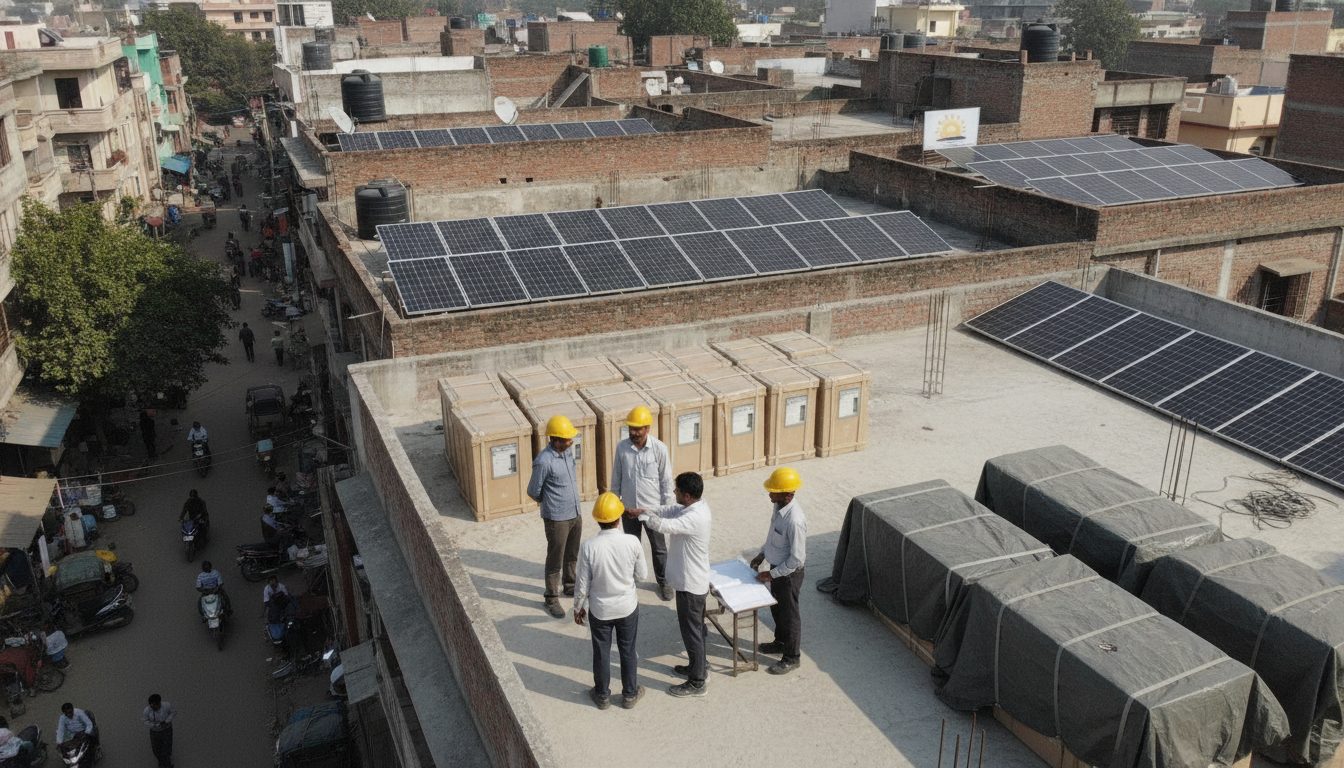
The Working Capital Bottleneck in Indian Solar EPCs
Cash flow crunches are a primary bottleneck for scaling solar installation businesses in India due to delayed customer payments and upfront equipment purchases. EPC contractors often face a prolonged gap between procuring heavy hardware and receiving final project settlements from residential or commercial clients. While assessing project viability, contractors can use the solar ROI and payback period calculator to map out customer cash flows accurately.
Bridging this gap requires strict monitoring of cash conversion cycles. Because solar components constitute the vast majority of project expenses, paying upfront without structured credit puts immediate pressure on bank accounts. Managing operational liquidity demands a deliberate approach to supply chain partnerships and credit lines.
Want to see what this means for your roof? Use our free solar calculator for India to estimate system size, cost after the ₹78,000 subsidy and payback period.
Supply Chain Financing and Vendor Credit Terms
Securing favorable credit terms from Tier-1 module and inverter manufacturers protects operating capital. Many original equipment manufacturers offer delayed payment windows or milestone-based disbursement structures for established regional EPCs. Negotiating bulk procurement agreements with staged deliveries prevents warehouse congestion while preserving liquid funds.
Vendor financing shifts the financial burden away from immediate cash reserves. Contractors must align their supplier payment schedules with actual client milestone payments to avoid deficits. Clear contractual agreements regarding transit insurance and delivery timelines further mitigate unexpected outlays during material transport.
Channel Financing Options with NBFCs
Non-banking financial companies play a practical role in extending working capital loans to mid-sized solar engineering firms. Unlike traditional commercial banks that demand rigid collateral, many NBFCs offer channel financing tailored to purchase orders and confirmed project pipelines. These short-term credit facilities cover immediate equipment acquisition costs against verified invoices.
Borrowing terms typically depend on the creditworthiness of the end-client and the track record of the EPC contractor. Utilizing structured debt for equipment purchases allows businesses to take on larger commercial and residential projects without draining operational cash reserves. Contractors should review interest rates and processing fees carefully before signing credit agreements.
Managing Inventory Turnover for Tier-1 Modules and Inverters
Holding excess stock of Tier-1 modules and inverters locks up vital capital that could otherwise fund active installations. Efficient inventory management relies on just-in-time delivery models where hardware arrives at the site shortly before installation begins. Warehousing costs and the risk of component degradation during storage drop significantly under this approach.
Tracking inventory aging metrics helps identify slow-moving hardware variants. If module prices fluctuate or newer efficiency ratings enter the market, older stock risks devaluation on the balance sheet. Maintaining lean inventory levels ensures that working capital remains fluid and responsive to new project demands.
🌟 Ready to Go Solar? Get 3 Free Quotes
Connect with verified, MNRE-empanelled solar installers near you — free, no obligation.
Get Free Solar Quotes →