 SolarCalculators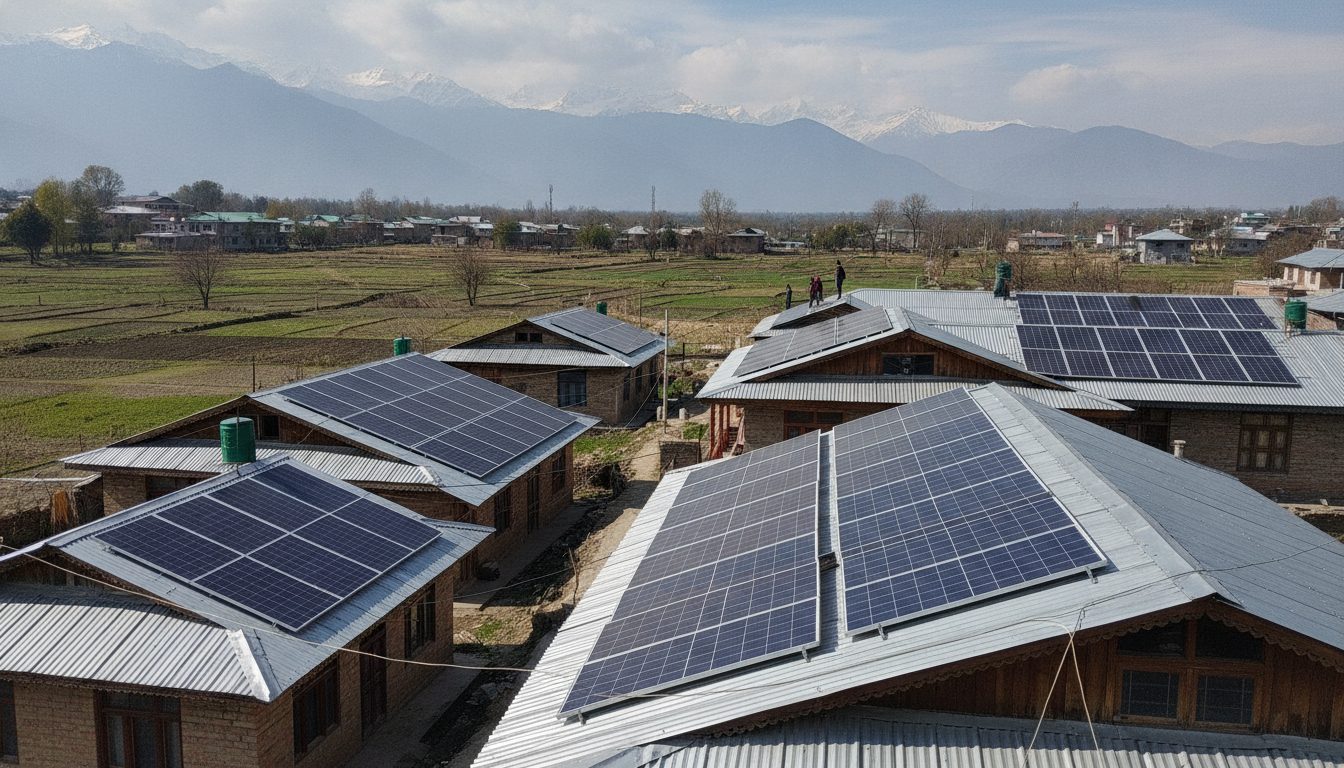
PM Surya Ghar Subsidy Slabs for J&K Homeowners
Installing a rooftop solar system in the Union Territory of Jammu and Kashmir qualifies residents for financial support through the central PM Surya Ghar Muft Bijli Yojana. The financial assistance is structured by system capacity, giving homeowners a clear framework for investment. The scheme provides ₹30,000 for a 1kW system, ₹60,000 for a 2kW system, and ₹78,000 for a 3kW system and above. This solar subsidy jammu and kashmir framework reduces the initial cost of purchasing photovoltaic equipment significantly.
Residential grid tariffs across Indian states typically range between ₹6 and ₹9 per unit, making self-generated electricity a practical way to lower monthly utility bills. To qualify for these funds, homeowners must complete the application process through the official national portal before starting any physical installation work.
Electricity Generation and Climate Considerations in J&K
Understanding regional climate patterns helps set realistic expectations for solar performance. A 1kW rooftop solar system generates roughly 90 to 120 units per month in India, while a 3kW system produces roughly 270 to 360 units per month. However, J&K experiences lower winter sun hours compared to southern regions, which affects seasonal generation totals. Winter snowfall also requires specific structural planning.
Property owners must ensure their mounting structures are snow-load-rated to handle heavy accumulation without damaging the roof or the panels. Certified installers calculate the tilt angle and frame strength to withstand local weather conditions while maintaining stable energy output across all four seasons.
Equipment Warranties and Net Metering
Solar panels are long-term assets backed by manufacturing and performance assurances. Industry-standard solar panels carry a 25-year performance warranty guaranteeing roughly 80 percent output at year 25, alongside a 10 to 12 year product warranty against manufacturing defects.
Net metering allows households to export excess electricity generated by their rooftop system back to the local grid, offsetting units consumed during low-generation periods. This mechanism is available under MNRE guidelines and is applied for through your chosen installer or local electricity distribution company during the project paperwork phase.
Steps to Apply and Install
Working with the correct professionals ensures compliance with local utility standards and subsidy disbursement rules. Property owners must hire an MNRE-empanelled vendor to handle the physical setup and technical documentation. The installation process follows a standard sequence from portal registration to final grid connection.
| System Size | Central Subsidy | Approx. Monthly Generation |
|---|---|---|
| 1 kW | ₹30,000 | 90 - 120 units |
| 2 kW | ₹60,000 | 180 - 240 units |
| 3 kW and above | ₹78,000 (Max) | 270 - 360 units |
After the installer completes the setup, the local DISCOM inspects the site and installs the net meter. Once approved, the central funds are transferred directly to the homeowner's bank account.
🌟 Ready to Go Solar? Get 3 Free Quotes
Connect with verified, MNRE-empanelled solar installers near you — free, no obligation.
Get Free Solar Quotes →