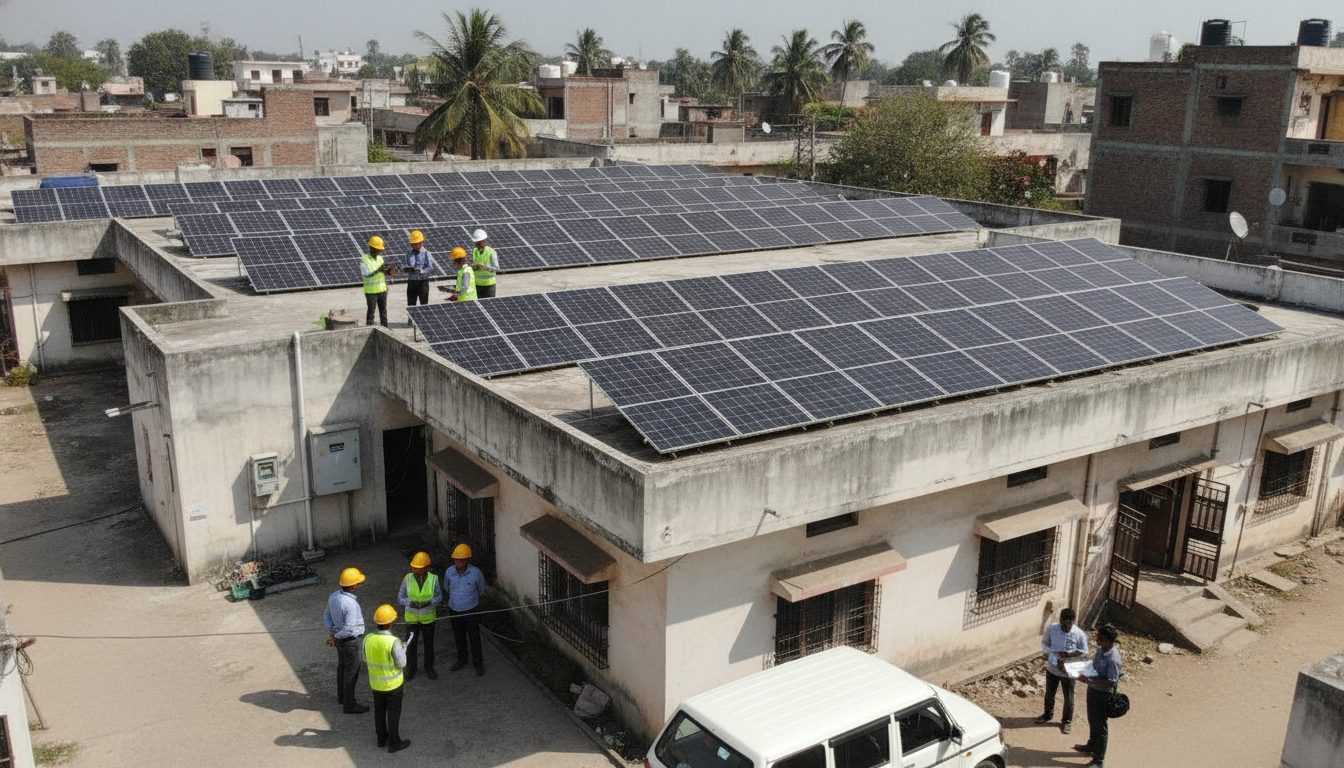
The Real Cost of DISCOM Approval Delays
Navigating state electricity board portals for net metering applications often involves bureaucratic delays and stringent documentation checks. When grid synchronization takes over 60 days post-installation, solar EPCs face severe working capital blocks. For a clearer picture of system economics before filing paperwork, you can evaluate financials using the solar ROI and payback period calculator. Standardizing the consumer application filing helps prevent these idle periods.
Want to see what this means for your roof? Use our free solar calculator for India to estimate system size, cost after the ₹78,000 subsidy and payback period.
Standardizing the Documentation Checklist
The core of an efficient solar net metering portal approval process relies on avoiding clerical errors during initial submissions. Establishing a standardized checklist for single-line diagrams (SLD), test reports, and consumer application filing accelerates approvals. Installers must audit every document internally before uploading it to the state electricity board portal. Incomplete paperwork is the primary driver behind rejected files and weeks of lost time.
Operational Playbook for DISCOM Liaisoning
Managing utility officials requires a systematic tracking mechanism rather than ad-hoc follow-ups. Assigning a dedicated liaison executive to monitor portal submissions ensures queries are answered within standard working windows. Maintaining physical receipt copies alongside digital submission reference numbers cuts down resolution time during physical inspections by DISCOM engineers.
🌟 Ready to Go Solar? Get 3 Free Quotes
Connect with verified, MNRE-empanelled solar installers near you — free, no obligation.
Get Free Solar Quotes →