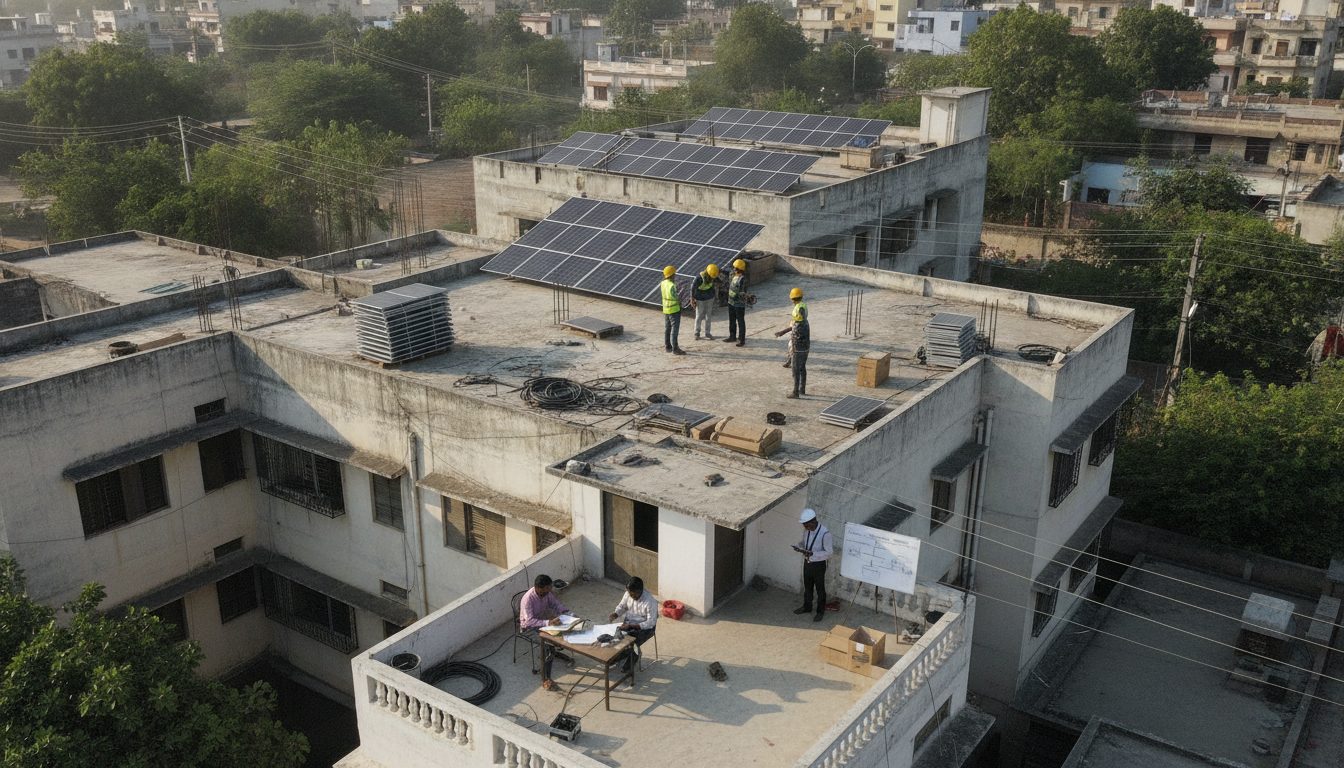
Navigating Cash Flow Crunches in Regional Solar EPC Operations
Rapid scaling often causes cash flow crunches for regional solar vendors due to delayed subsidy disbursements and milestone payment structures. When capital remains tied up in pending government disbursements or delayed client installments, executing new residential or commercial projects becomes difficult. Securing a solar installation company working capital loan helps bridge this exact gap, ensuring your team has the funds required to procure raw materials and pay daily labor costs without waiting for final settlements.
Before taking on new financial commitments, homeowners and business owners evaluating system installations often check financial viability using our solar ROI and payback period calculator to understand long-term returns. For EPC business owners, stabilizing day-to-day liquidity relies heavily on proactive cash management rather than waiting for receivables to clear naturally.
Optimizing Inventory Turnover for Modules and Structures
Holding excess stock of solar modules, inverters, and mounting structures locks up vital cash reserves. Efficient working capital management requires tracking how quickly your inventory moves from the warehouse to customer rooftops. By maintaining lean stock levels and matching procurement schedules strictly with confirmed project timelines, you prevent capital from sitting idle in your yard.
Work closely with your logistics teams to align delivery dates directly with installation days. This reduces holding costs and minimizes the risk of component damage or price fluctuations affecting stored goods. Keeping inventory turns high preserves the liquidity needed to run multiple installation sites simultaneously.
Leveraging Channel Financing and Tier-2 Distributor Terms
Negotiating extended credit terms with Tier-2 distributors is a practical method to preserve working capital. Instead of paying upfront for every batch of modules and mounting rails, establish structured credit periods that align with your customer milestone payments. Channel financing arrangements allow vendors to bridge the gap between distributor payment deadlines and end-customer collection cycles.
Building strong relationships with reliable regional suppliers gives your business negotiating power regarding credit windows. When suppliers trust your execution capacity and payment history, they are more willing to offer flexible credit terms that protect your operational cash flow.
🌟 Ready to Go Solar? Get 3 Free Quotes
Connect with verified, MNRE-empanelled solar installers near you — free, no obligation.
Get Free Solar Quotes →