Dust Accumulation and Soiling Losses in Dusty Regions
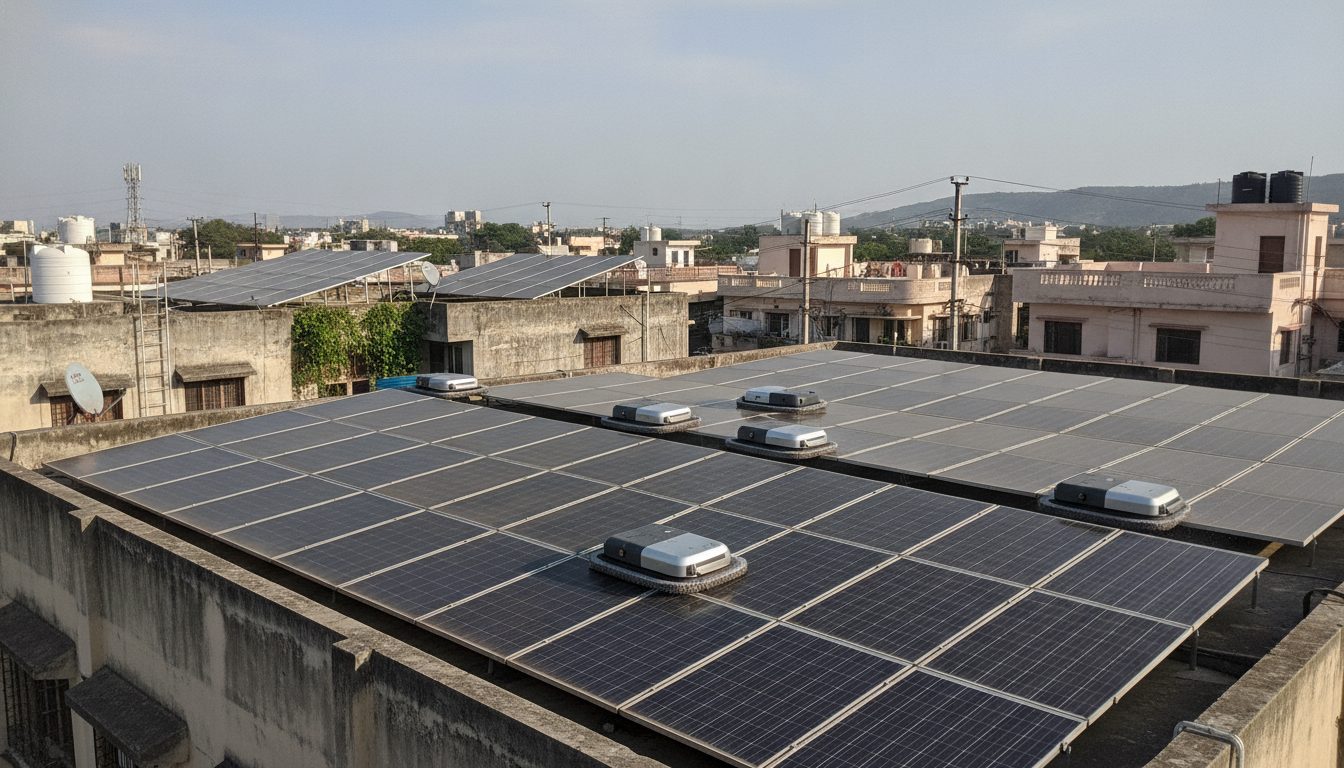
Dust accumulation and soiling losses present a continuous challenge across agricultural, industrial, and utility-scale solar plants located in dusty regions. When particulate matter settles on photovoltaic glass, it blocks sunlight from reaching the solar cells, causing an immediate drop in power generation. Manual washing methods require large labor crews and substantial water volumes, which creates operational hurdles in arid or semi-arid zones where water scarcity is an everyday reality. Waterless robotic cleaning solutions address these exact operational constraints.
Property owners looking to plan large-scale photovoltaic deployments often start by checking their physical space requirements using a solar roof area calculator to understand panel placement before integrating automated maintenance hardware.
Not sure what size you need? Our free solar calculator works out system size, cost after subsidy and payback from your monthly electricity bill.
Comparing Waterless Robotics with Manual Washing
Manual washing relies heavily on human labor, bucket brigades, or truck-mounted water tankers. This approach creates inconsistent cleaning quality, high recurring payroll expenses, and potential safety risks for workers walking on elevated structures. Waterless robotic cleaning solutions use microfiber brushes, air-blasting mechanisms, or specialized dry-wipe materials to sweep away grime without consuming local water reserves.
By removing the need for frequent tanker truck deployments, facility managers cut operational expenditures associated with water sourcing. The reduction in manual labor hours lowers fixed overhead costs while delivering uniform cleaning across every panel row in the plant array.
Automated Scheduling, Hot-Spot Prevention, and Warranties
Accumulated dust does not settle evenly across an array. Uneven soiling creates localized shading, which forces shaded cells into reverse bias and leads to dangerous hot-spot formation. These hot-spots degrade module encapsulation materials and can cause permanent cell damage over time. Automated scheduling allows cleaning bots to traverse rows at preset intervals, clearing debris before stubborn soil layers bake onto the glass.
Maintaining a strict, automated cleaning calendar ensures the plant operates within manufacturer guidelines. This active upkeep preserves module warranties, as many Tier-1 manufacturers require proof of proper maintenance and cleaning to honor performance output guarantees.
ROI Analysis for Commercial Rooftops
Deploying automated cleaning bots on large commercial rooftops involves an upfront capital expenditure for the robotic hardware and guide rail infrastructure. However, the financial return becomes clear when calculating the cumulative savings on manual labor fees and the recovery of lost energy yield. Every kilowatt-hour recovered translates to direct financial savings on commercial utility bills.
Plant owners can evaluate the financial viability of their system upgrades by reviewing a solar ROI and payback period calculator to track how reduced maintenance overhead accelerates capital recovery.
🌟 Ready to Go Solar? Get 3 Free Quotes
Connect with verified, MNRE-empanelled solar installers near you — free, no obligation.
Get Free Solar Quotes →