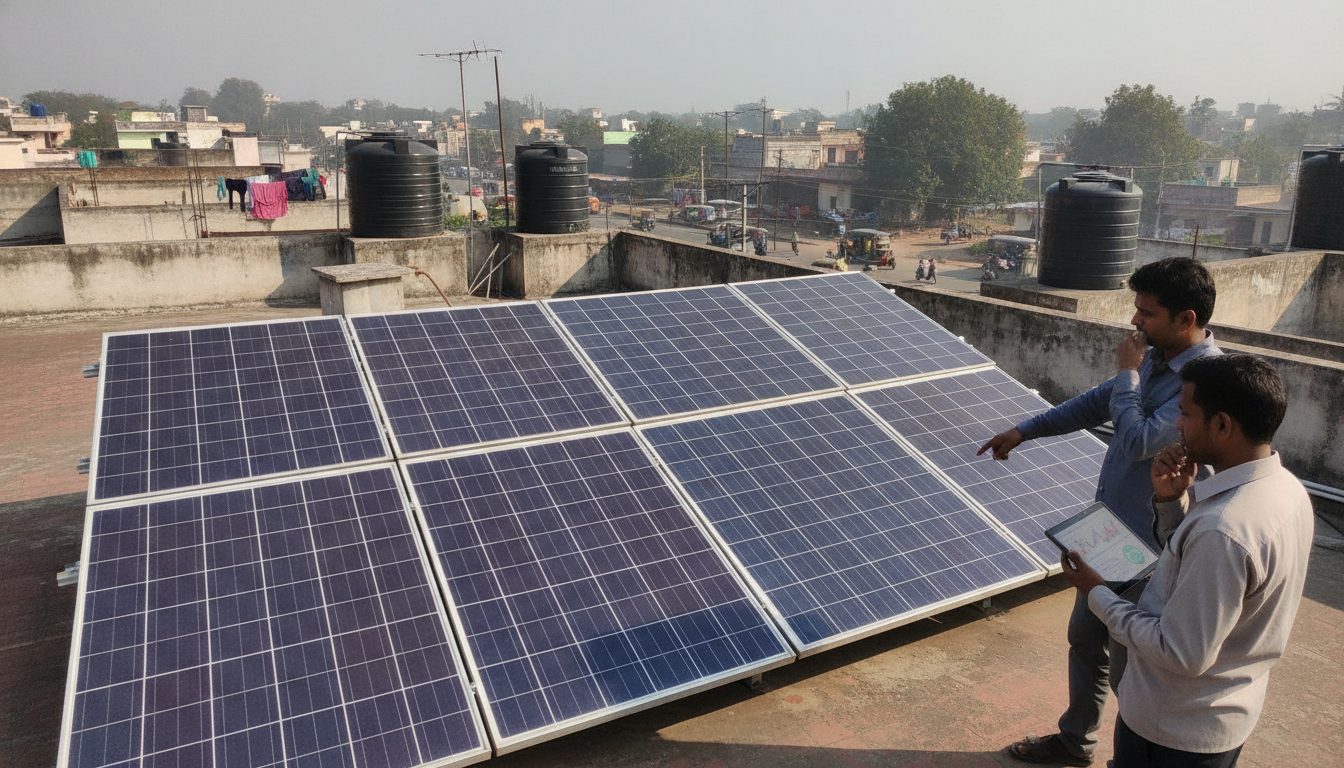
The Shift from PERC to TOPCon in India
In 2026, N-type TOPCon modules are rapidly replacing traditional P-type PERC panels in Indian residential and commercial projects. Installers need to understand procurement costs, temperature coefficients, degradation rates, and how to pitch higher efficiency to margin-conscious clients.
As supply chain pricing trends shift, contractors must evaluate whether procurement expenses for newer N-type technology leave enough room for competitive bids. Homeowners are increasingly aware of performance differences, meaning installers who stick solely to older P-type inventory risk losing bids for high-consumption households.
Before quoting a project, it helps to check the physical constraints of the site using a solar roof area calculator to determine if higher-wattage TOPCon modules will fit a limited rooftop space effectively.
Procurement Costs and Contractor Margins
Evaluating TOPCon solar panels wholesale margins requires looking closely at upfront procurement costs versus long-term client value. While wholesale prices for N-type modules carry a slight premium over older PERC variants, the efficiency gains allow installers to quote competitive system sizes without inflating BOS (Balance of System) costs.
Contractors manage margins by explaining the Levelized Cost of Electricity (LCOE) benefits directly to end-users. When clients understand that lower degradation rates translate to more stable power generation over decades, price resistance decreases significantly.
To show clients exact financial returns based on these efficiency differences, installers often run figures through a solar ROI and payback period calculator during initial client consultations.
Technical Advantages in Indian Climates
Indian rooftop conditions demand hardware that handles high ambient temperatures without excessive power loss. TOPCon modules offer superior temperature coefficients compared to standard PERC panels, meaning they retain higher output during peak summer months.
Lower annual degradation rates also protect the investment value over the multi-decade warranty period. Installers can use these technical specifications to justify system pricing to commercial clients who track energy yield closely.
Procurement teams must verify manufacturer warranty terms, specifically regarding power output guarantees over twenty-five years, to ensure liability remains with the supplier in case of premature module failure.
🌟 Ready to Go Solar? Get 3 Free Quotes
Connect with verified, MNRE-empanelled solar installers near you — free, no obligation.
Get Free Solar Quotes →